papar
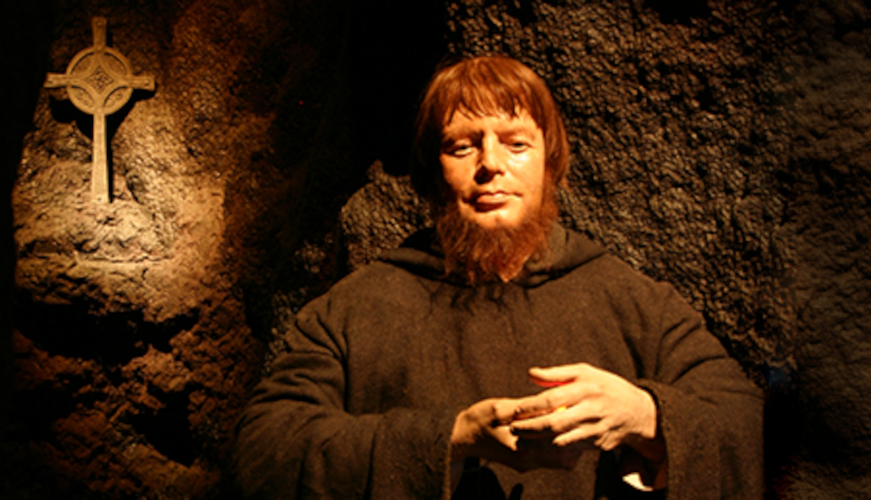
The oldest mention of there having been anyone living in Iceland can be found in Íslendingabók written by Ari Þorgilsson 1122-1133 AD. There he tells that "there were Christian men here, whom the Norsemen call papar, but they left because they did not want to share the land with heathens. They left behind them Irish books as well as crooks and bells from which it is possible to determine their Irish origin."

Hrafna-flóki
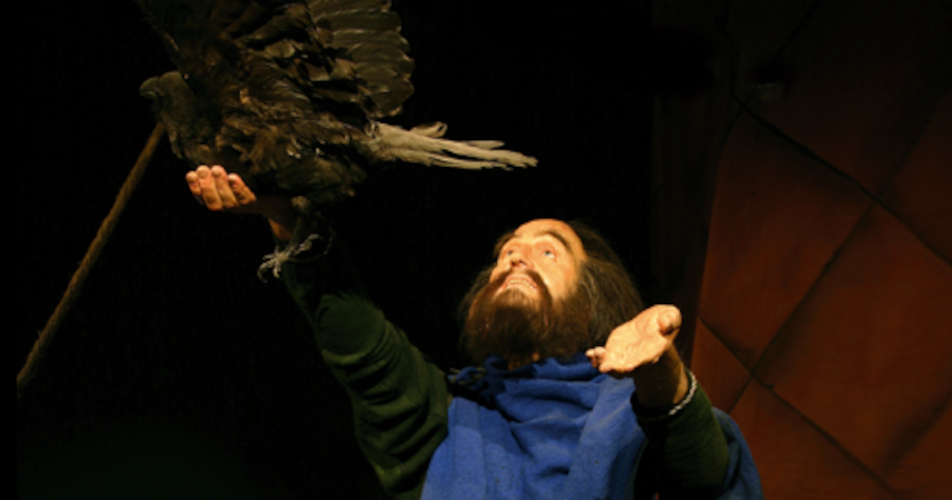
Flóki Vilgerðarson was the first Norseman to think about settling in Iceland 870 AD. He took three ravens with him on the voyage to help him find the way. He later received the nickname Hrafna-Flóki (hrafn being 'raven' in Icelandic) and it was he who called the country Iceland.

Ingólfur And Hallveig
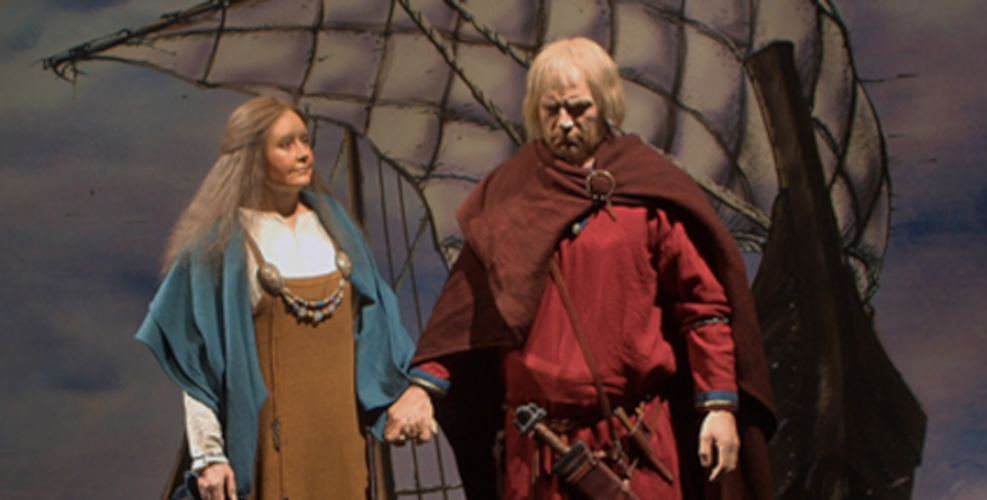
Ingólfur Arnarson was the first free Norseman to live out his life in Iceland. He came to the country with his wife, Hallveig Fróðadóttir in the year 874 AD. When he saw the coastline, he decided to let the gods determine where he should settle by casting his high seat pillars (öndvegissúlur) into the sea. They were discovered to have been washed ashore at Reykjavík, the place where Ingólfur then built his farmstead 877 AD.
Skalla-Grímur And Egill
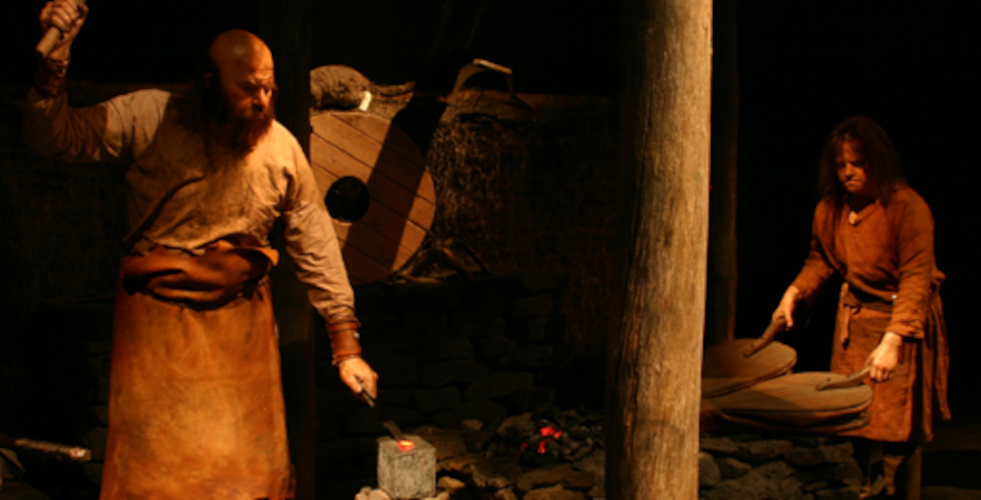
One of the most celebrated blacksmiths of the Settlement period was the craftsman Skalla-Grímur Kveldúlfsson. He built a smithy down by the shore and smelted the swamp iron by a process known as 'red-blasting'. There was plenty of swamp iron to be had, but he had to dive down to the ocean bed to find a rock good enough to beat the iron with when it had been smelted. It took many men to lift this rock and bring it ashore, from which we can see how immensely strong Skalla-Grímur must have been to lift it alone.
Skalla-Grímur And Egill
From the time of the Settlement to the fifteenth century, Icelanders produced iron from deposits they found in the country's marshlands by a smelting process known in Icelandic as ‘red-blasting’. It had been known in Northern Europe from the beginning of the iron age or about over a millennium earlier. This method involves melting the swamp iron found in red clay in a furnace, using bellows. At great heat the ferrous materials are separated from the clay and form small nuggets, or ‘blast-iron’ as it was known in Icelandic. This impure form of iron was then heated again and beaten until almost all extraneous materials were removed.
THE PROCEDURE:
The red clay was taken and crushed.
Wood was burned in a furnace until it turned into red hot charcoal.
The charcoal was pushed down in the furnace and the crushed red clay scattered over it.
When the red clay was burning hot, air was blown into the furnace with bellows through a hole in the bottom.
When the charcoal burned it slid down, mostly into the middle where the temperature was at its greatest.
The burning red clay was then pushed into the middle of the oven where the temperature was the greatest and air blown through the hole until the ferrous materials melted to a nugget.
Finally, the swamp iron was taken from the oven and beaten.
Skalla-Grímur and Egill
One of Skalla-Grímur's two sons was called Egill (B. 910 AD). He was a great Viking warrior as well as being the most famous poet of the saga age. During his travels, Egill also stayed at the court of King Athelstan of England who bestowed a great gift of silver on him. Egill had intended to throw the silver from the Law Rock at Þingvellir down onto the most crowded area of the assembly in an attempt to provoke a battle among the people there, but was ultimately persuaded to abandon the plan. Instead, he had it secretly buried in the ground. Egill's hoard of silver has never been found but is thought to lie somewhere close to Mosfell slopes.
Celts in Iceland
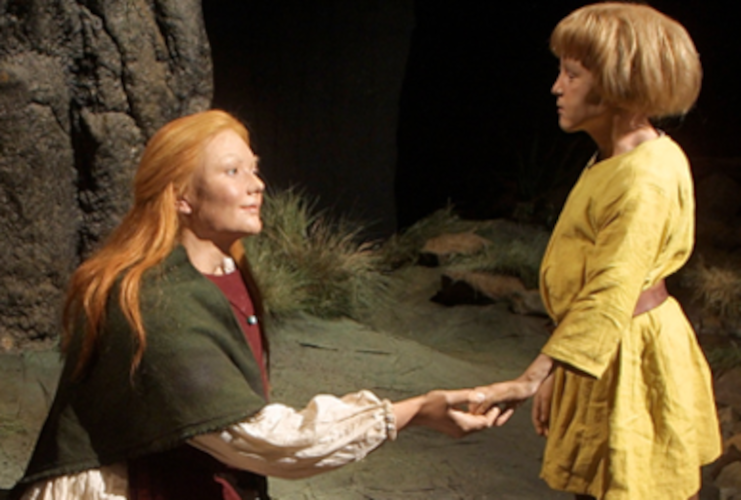
It is now believed that over half the women in Iceland during the age of settlement were of Celtic blood. One of them was the renowned Melkorka Mýrkjartansdóttir, the daughter of an Irish king. She was brought to Iceland as a slave by Höskuldur Dala-Kollsson, who had purchased her as a prospective mistress. Melkorka bore Höskuldur a son called Ólafur (B.930 AD), nicknamed Ólafur pá, who later married Þorgerður the daughter of Egill Skalla-Grímsson.
women
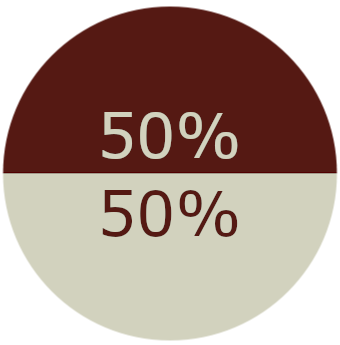
NORSE SETTLERS
CELTIC SETTLERS
MEN
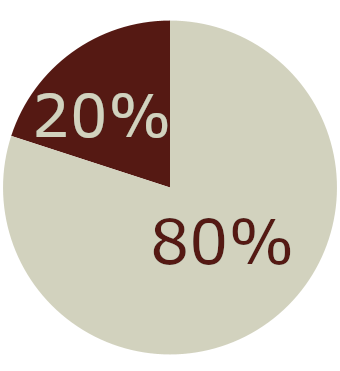
NORSE SETTLERS
CELTIC SETTLERS
Vínland
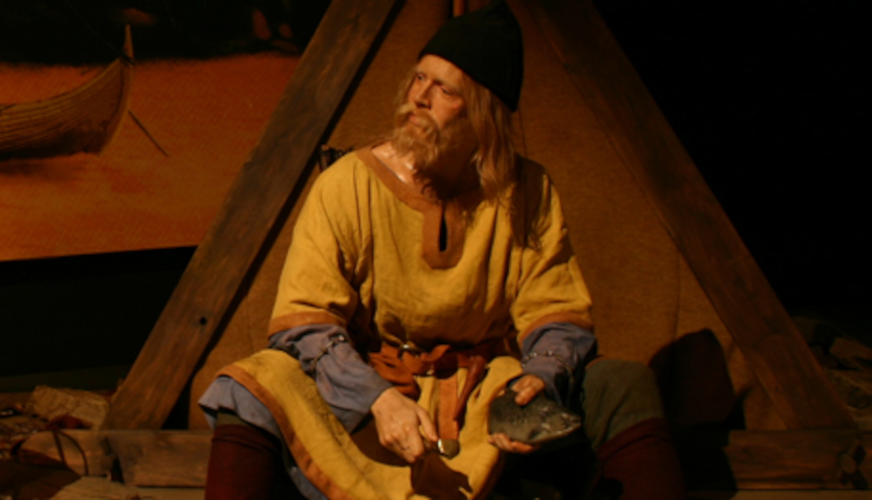
Leifur heppni (Leif the Lucky) was the son of Eiríkur rauði (Eric the Red), the man who discovered Greenland. Leifur was the first Norseman to take an expeditionary force to North America to explore the land there (1000 AD). One of the men in his party, called Tyrkir the Southerner, became separated from the rest of the group. When he reappeared, he was clearly inebriated and had brought with him a large hoard of grapes. This led to the land being called Vinland (vín meaning vine or wine) by the Vikings.
Freydís Eiríksdóttir
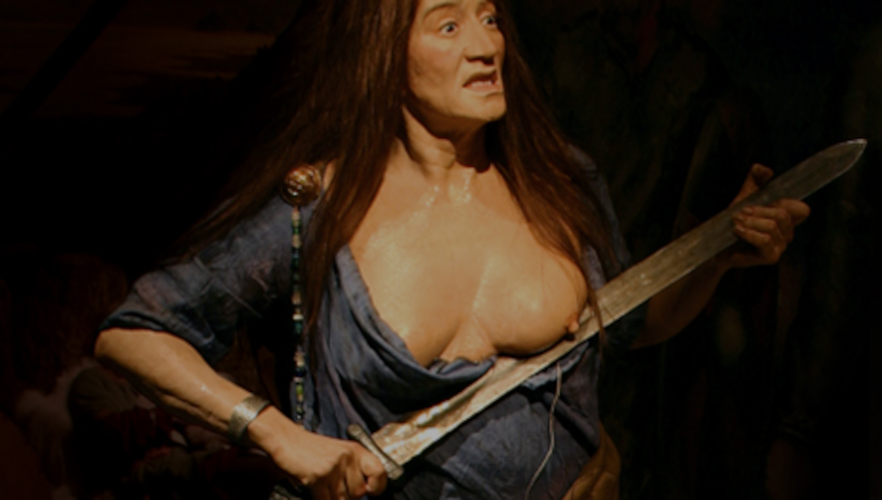
On an expedition to Vínland (1000 AD) undertaken by Þorfinnur Karlsefni and Guðríður Þorbjarnardóttir, Freydís Eiríksdóttir, the sister of Leifur the Lucky made a solitary stand against the natives after her companions had fled. Finding herself cornered beside the corpse of Þorbrandur Snorrason, she took up his sword, opened her tunic and placed the blade against her naked breasts. This strange but bold gesture put the natives to flight.
Alþingi
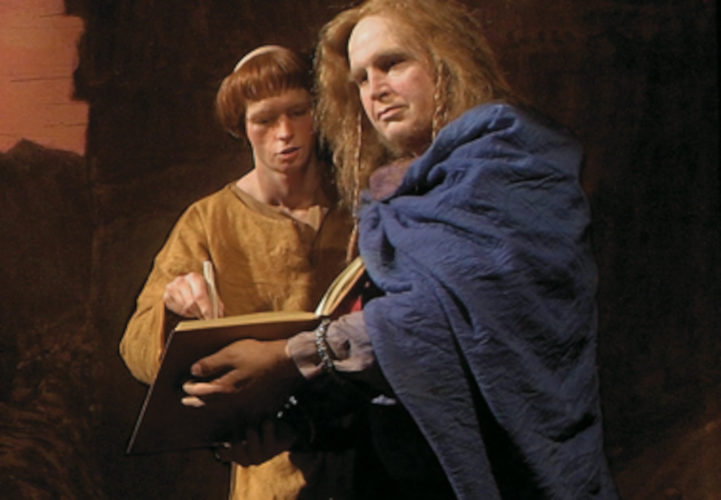
The Icelanders developed a form of government that was quite unlike those found in mainland Europe, which is hardly a surprise since most of the people who came to Iceland to settle were fleeing the tyranny of kings and other oppressive rulers. The system that emerged in Iceland had no central or executive body, and the only member of the Althing or national assembly who received payment was the Law Speaker. It was the responsibility of the Law Speaker to commit all the country's laws to heart and to preside over the assembly. The conversion to the Christian faith also brought writing to Iceland, and the laws of the country were eventually recorded in books. For first of these, known as Grágás, the Law Speaker would almost certainly have needed the assistance of scholars in compiling it and reading from it to the gathered assembly.
Þorbjörg Lítilvölva
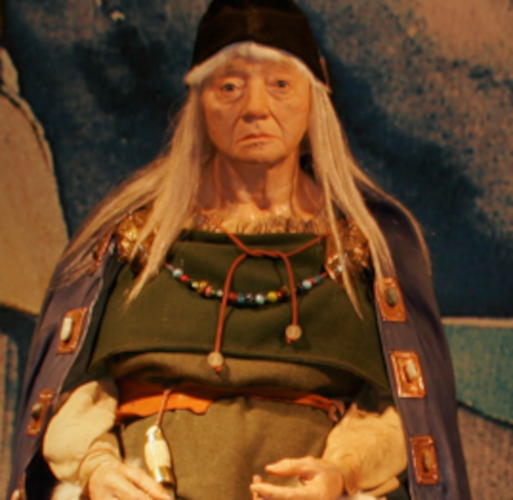
In the Saga of Eric the Red, there is an account of the seer, Þorbjörg lítilvölva who was invited to a local feast in Greenland (1000 AD) to predict the future of the community. The völvur were the seers of the Norsemen and had the power to see what fate had in store. These women enjoyed great respect for their wisdom and were much in demand. During the delivery of such predictions, the rest of the women encircled the völva and helped her by chanting or singing.
Þorgeir Ljósvetningagoði
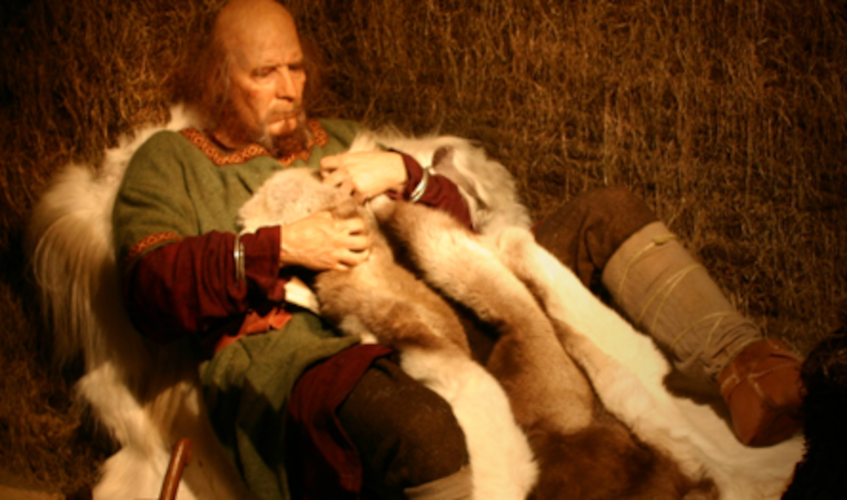
Before Iceland's official conversion to Christianity in the year 1000 AD, the Christian chieftains agreed to allow the leader of the heathen faction, Þorgeir Ljósvetningagoði, settle the discussion of how they should proceed. Þorgeir went to his booth, drew some hides. over his head and lay there for a day and a night. When he emerged again, he announced that everyone nominally take up the new religion but that any who wished to continue worshipping the old gods might do so as long as that worship was conducted in private.
gUÐMUNDUR gOÐI
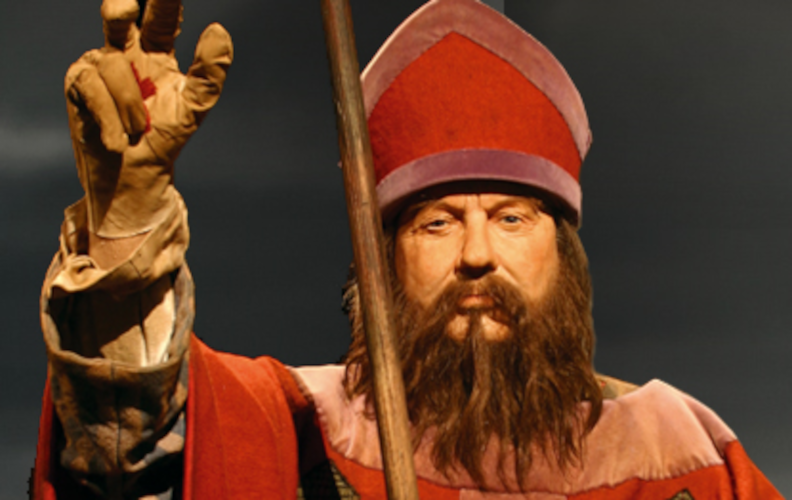
As the Commonwealth period wore on, power in Iceland became concentrated in the hands of fewer and fewer chieftains. The great social and economic change that took place may be attributed to the coming of Christianity and the legal endorsement of tithes which produced a new generation of powerful landowners. An Icelandic bishop called Guðmundur the Good tried to oppose the accumulation of new wealth by the landed chieftains and thus limit their power.
He preferred to share whatever revenues the church had with the poor and needy. He was regarded by the common people as a saint and spent most of his time travelling around the country in the company of those he sought to serve.
Snorri Sturluson
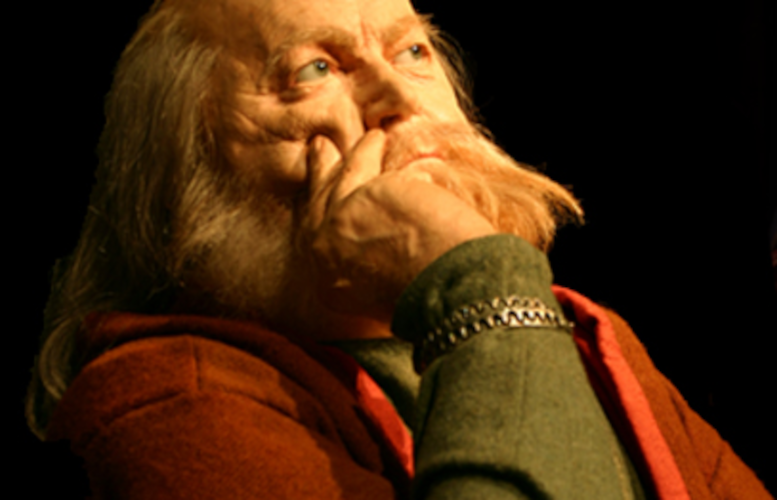
Snorri Sturluson was not only an accomplished writer but also a man with a great talent for finance and politics. He left a large number of books to posterity, the best known of which are undoubtedly Heimskingla and the Snorra-Edda. That masterpiece of the saga age, Egilsaga, has also been attributed to Snorri and not without justification since he began his career as a leading chieftain on the farmstead of Skalla-Grímur at Borg in Mýrar. In about 1230 AD, Snorri's nephew, Sturla Sighvatsson, lived with Snorri in Reykholt and showed a great deal of interest in his writings. Five years later, this same relative drove Snorri out of Iceland and took over his position as the country's wealthiest and most influential chieftain.
The Black Death
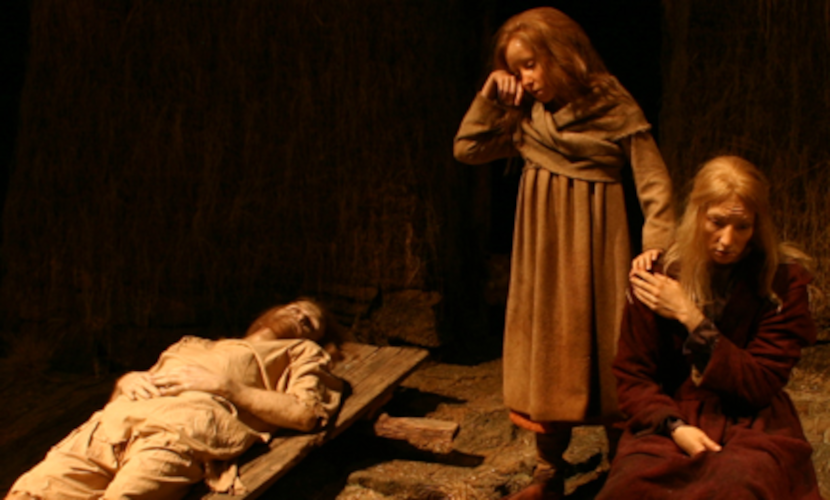
In 1402, Einar Herjólsson sailed to Iceland from England. In the wake of his arrival "such a deadly disease struck that it could kill a man inside three days."
The plague spread across the south of Iceland that autumn and wiped out entire communities. Over the next two years, it continued to spread across the country and is thought to have killed almost a third of Iceland's population. It is ironic that while Einar Herjólfsson's ship is known to have brought the plague to Iceland, hepersonally managed to survive being smitten.
Battle at ÖrlygisstAÐIR
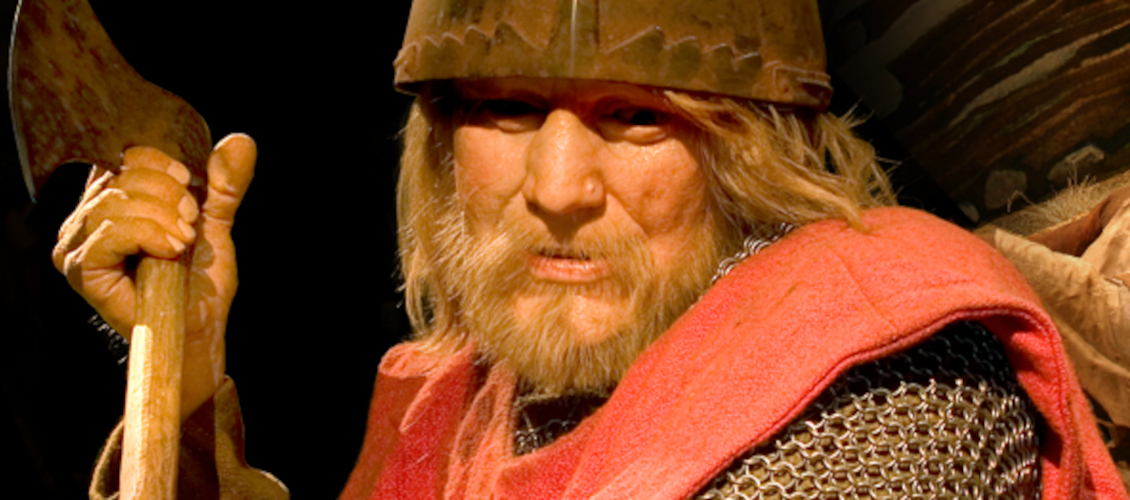
The Battle at Örlygsstaðir 21st of August 1238 was one of the bloodiest battles fought during the Age of the Sturlungar. Sighvatur Sturluson and four of his sons were killed there by Gissur Þorvaldsson and Kolbeinn the Young who then became the unchallenged rulers of the country. Although this effectively brought an end to the power of the Sturlungar, there was a brief period of renewed power when Þórður kakali, a son of Sighvatur's who had been in Norway at the time of the killing of his father and brothers, returned to defeat Kolbeinn's the Young's fleet in a battle known as Flóabardagi.
sISTER Katrín
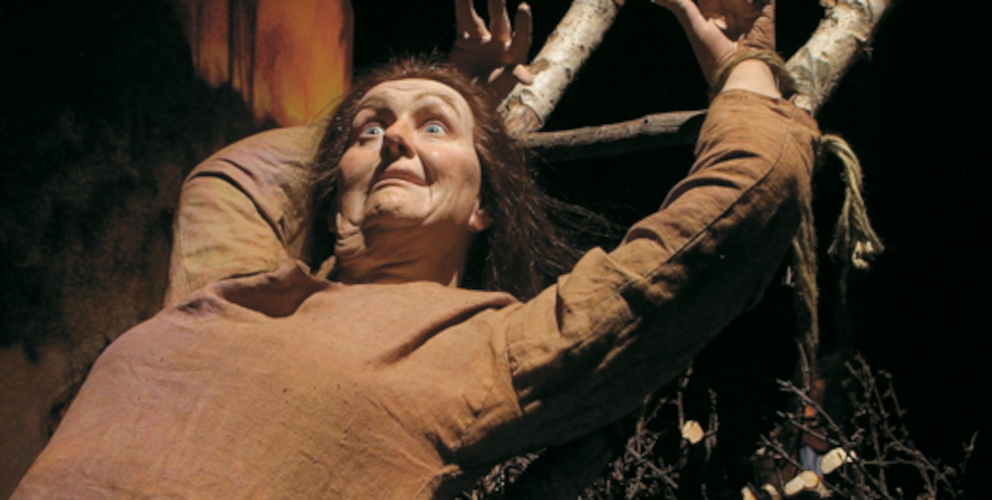
In 1343, Sister Katrín, a nun at the Kirkjubæjarklaustur convent, was found guilty of having sold her soul to the devil and was subsequently sentenced to be burned at the stake on the orders of Jón Sigurðsson, the newly appointed bishop at Skálholt. Jón was considered to be a hard and uncompromising man by his contemporaries and was not popular with the general populace. Fanatical about corruption within the church, Jón is said to have gone to the cloister at Þykkvabær directly after Katrin's death and had the monks there bound in chains and put in the stocks for driving the abbot away from the cloister the previous year.
tHE rEFORMATION
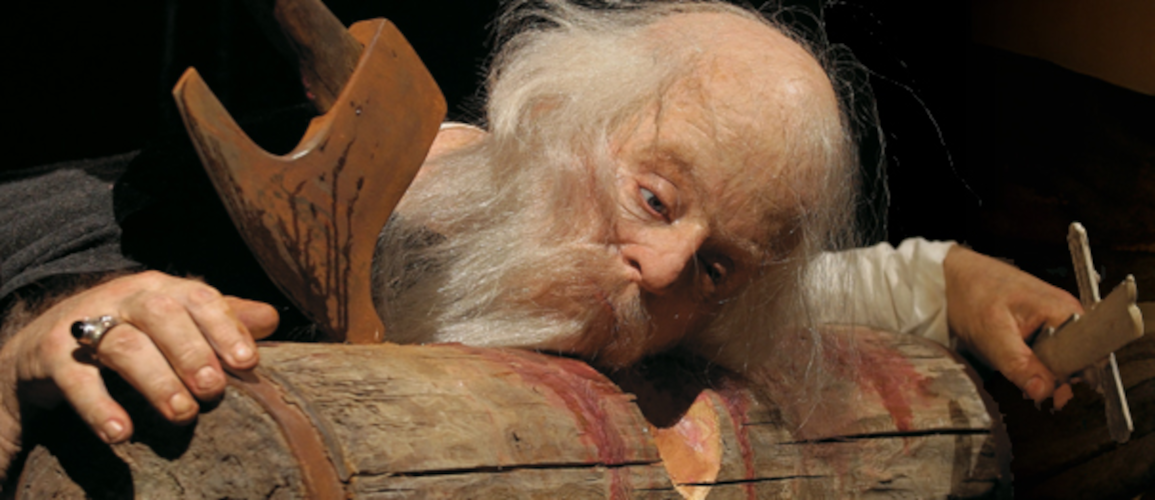
On November 7th 1550, Bishop Jón Arason, the last Catholic bishop in Iceland, was beheaded along with his two sons, Ari the Lawman and the Reverend Björn. Jón had not only been a religious leader but was also considered to be a financial genius.
During his office as bishop, he managed to increase the wealth of the seat at Hólar by land purchases and other prudent transactions. He was also a prolific poet and the first man to set up a printing press in Iceland in or around 1530.
TAKK FYRIR KOMUNA!
Feel free to try on some of our Viking costumes, enjoy a hot beverage, or browse our store